
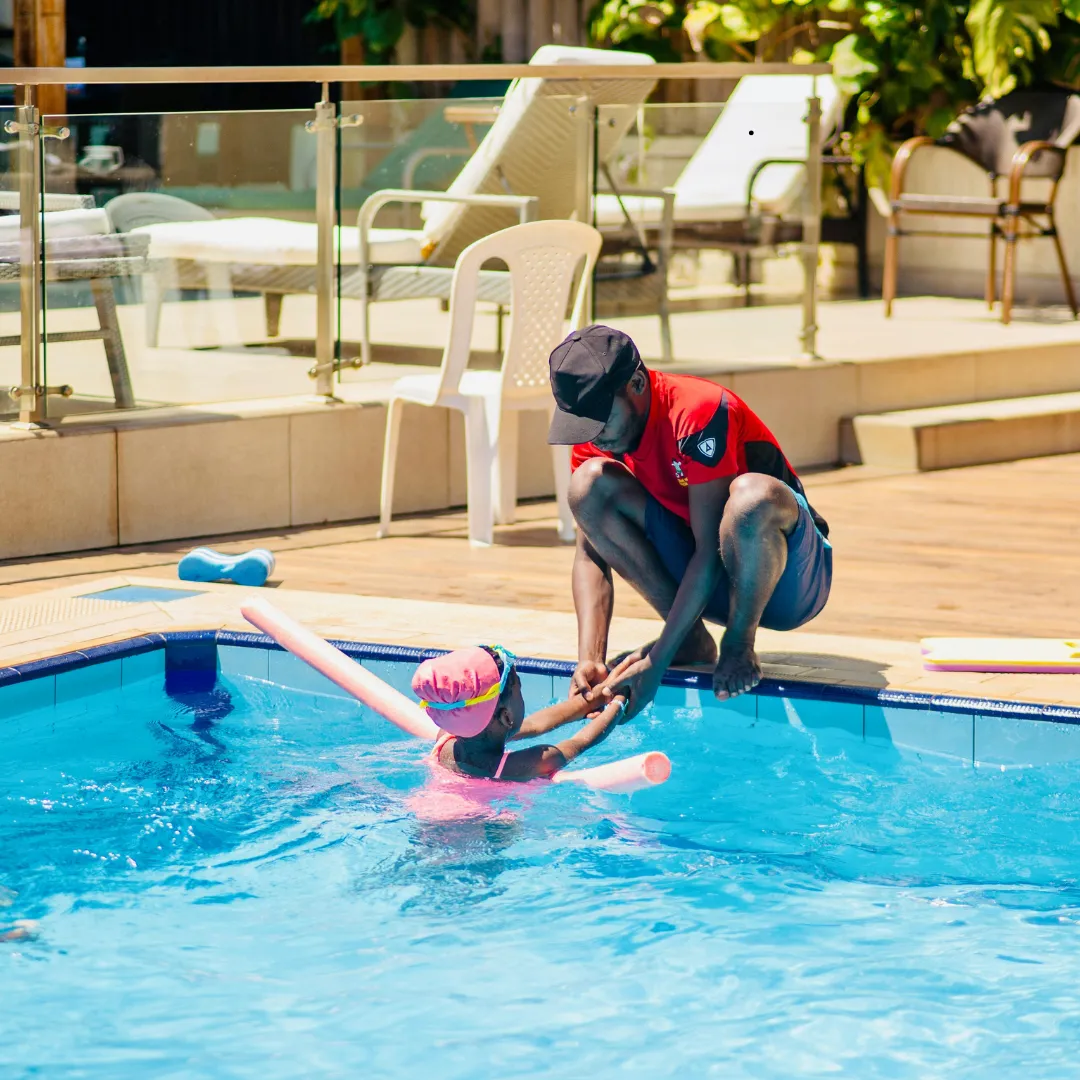
Course Overview
The OSHAA 30-Hours Professional Diploma in International Lifeguard Qualifications is a professional development course designed to provide learners with a strong foundation in international lifeguarding standards and aquatic safety practices. The program is intended for individuals who want to pursue or advance a career in lifeguarding, water safety, hospitality, recreation, sports facilities, or other environments where aquatic risk management is essential.
This diploma helps learners develop the professional knowledge expected of lifeguards working in a wide range of aquatic settings. It emphasizes internationally recognized safety principles and promotes a proactive approach to protecting lives, preventing water-related incidents, and supporting safe recreational environments. The qualification is suitable for both beginners seeking an entry point into the profession and experienced personnel who want to strengthen their credentials with a structured, internationally focused program.
As aquatic facilities continue to prioritize qualified safety personnel, employers increasingly value candidates with professional training that demonstrates competence, responsibility, and a commitment to best practices. The OSHAA 30-Hours Professional Diploma in International Lifeguard Qualifications supports these expectations by providing learners with a recognized educational pathway that enhances professional credibility and career opportunities. Whether your goal is to work at swimming pools, resorts, beaches, water parks, or recreational centers, this course provides a valuable qualification that supports long-term career growth in the field of aquatic safety.
Course Structure
This qualification, the OSHAA 30-Hours Professional Diploma in International Lifeguard Qualifications, consists of 9 units.
Study Units
Learning Outcomes
Here are the learning outcomes for each study unit:
Introduction to International Lifeguard Qualifications and Global Safety Standards (2 Hours)
- Understand the scope and objectives of the International Lifeguard qualification
- Recognise global safety standards and regulatory frameworks for lifeguarding
- Identify the core competencies required for international aquatic safety roles
Roles, Responsibilities, and Professional Conduct of an International Lifeguard (3 Hours)
- Define the primary duties and expectations of lifeguards in diverse environments
- Apply professional behaviour and ethical standards in lifeguard practice
- Demonstrate accountability and operational discipline in safety-critical situations
Aquatic Safety Operations, Hazard Identification, and Risk Management (4 Hours)
- Conduct safety checks and operational inspections across various aquatic facilities
- Identify and assess hazards in pools, beaches, and open water locations
- Implement risk management strategies to minimise accidents and incidents
Environmental Awareness: Pools, Beaches, and Open Water Conditions (3 Hours)
- Analyse environmental factors affecting safety in different aquatic settings
- Recognise the impact of weather, tides, and water conditions on swimmer safety
- Adapt safety measures to suit specific environments and conditions
Surveillance Techniques and Incident Prevention Strategies in Diverse Settings (3 Hours)
- Apply effective observation and scanning techniques in varied aquatic environments
- Detect early warning signs of potential hazards and emergencies
- Implement proactive strategies to prevent incidents before they occur
Water Rescue Skills and Specialist Equipment Handling (5 Hours)
- Perform a range of rescue techniques suited to different aquatic environments
- Operate rescue equipment such as buoys, boards, and throw lines effectively
- Safely recover and assist casualties in controlled and uncontrolled settings
Cardiopulmonary Resuscitation (CPR), First Aid, and Casualty Care in Varied Environments (5 Hours)
- Deliver CPR for adults, children, and infants following recognised guidelines
- Apply first aid for common aquatic injuries and medical emergencies
- Provide casualty care tailored to environmental conditions until medical help arrives
Emergency Response Procedures and Incident Management Worldwide (3 Hours)
- Activate and follow emergency action plans across different jurisdictions
- Coordinate rescue operations in multi-casualty and complex scenarios
- Maintain accurate and detailed incident documentation
Communication Skills, Team Coordination, and Cross-Cultural Public Interaction (2 Hours)
- Communicate clearly and effectively in high-pressure situations
- Collaborate with team members and emergency services from different cultural backgrounds
- Interact with the public respectfully and professionally across diverse environments
Certification Benefits
By completing the OSHAA 30-Hours Professional Diploma in International Lifeguard Qualifications, learners will be able to:
- Gain a professional understanding of international lifeguarding principles and aquatic safety practices.
- Enhance their knowledge of water safety, drowning prevention, and emergency preparedness.
- Develop the confidence to respond effectively to aquatic emergencies using recognized safety procedures.
- Strengthen their professional profile with an internationally focused lifeguard qualification.
- Improve career opportunities in swimming pools, beaches, water parks, resorts, hotels, sports facilities, and other aquatic environments.
- Build practical knowledge that supports roles in lifeguarding, recreation, hospitality, and public safety.
- Increase awareness of risk management, hazard identification, and accident prevention in aquatic settings.
- Demonstrate a commitment to professional development and workplace safety.
- Develop transferable skills such as communication, teamwork, decision-making, and emergency response.
- Receive a qualification that supports continuing education and career progression in aquatic safety and lifeguarding.
- Improve employability by gaining knowledge aligned with internationally recognized lifeguarding and water safety practices.
- Contribute to creating safer aquatic environments by promoting preventive safety measures and responsible lifeguarding practices.
Course Eligibility
Learners should meet the following entry requirements:
Course Fee
140k PKR / 375GBP / 500 USD