
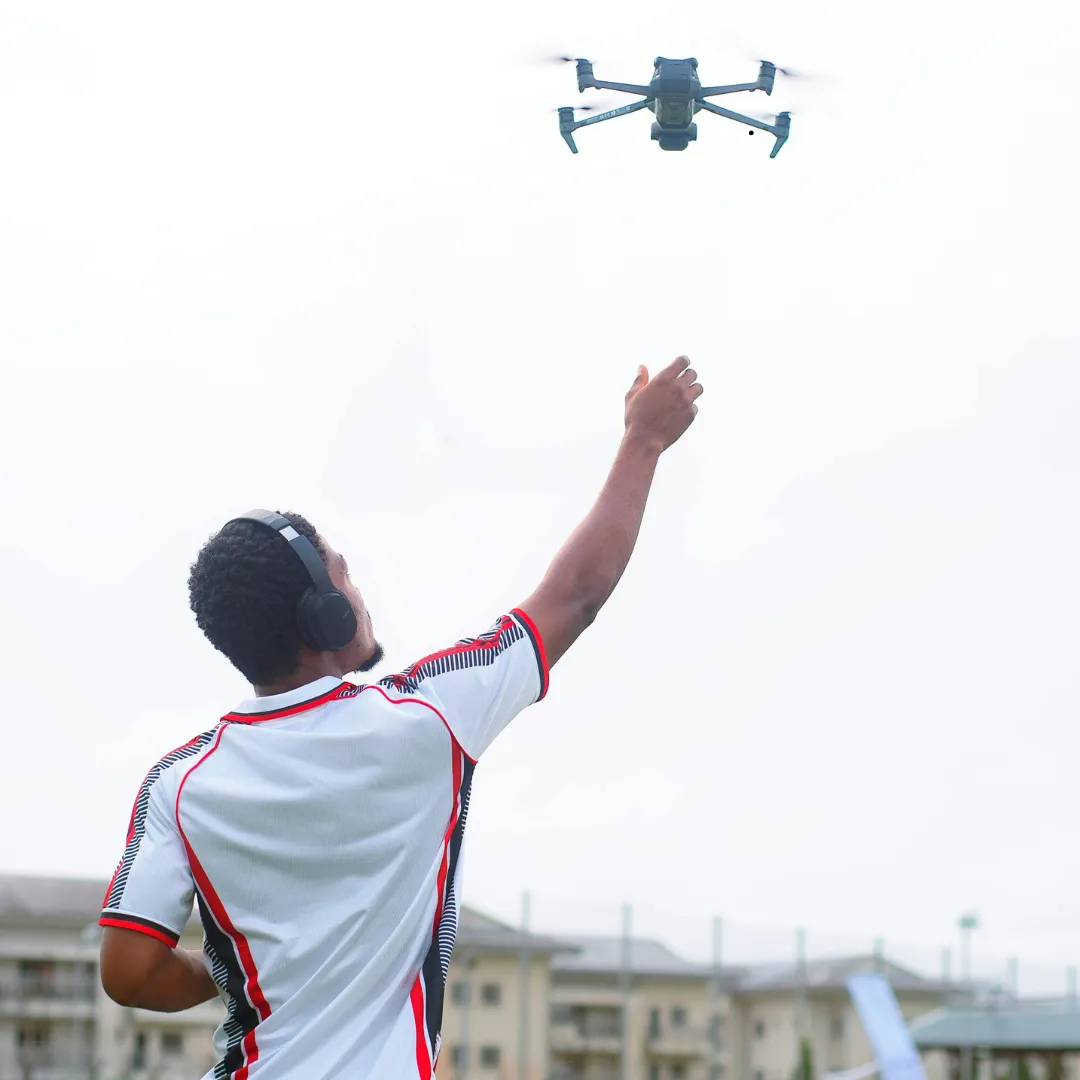
Course Overview
The Professional Diploma in Emergency Response Drone Pilot is a professional development program designed for individuals who want to build specialized knowledge in the use of unmanned aerial vehicles (UAVs) to support emergency response, disaster management, public safety, and humanitarian operations. The course is intended for those seeking careers or professional advancement in emergency services, fire and rescue, law enforcement, civil protection, disaster relief, environmental monitoring, infrastructure inspection, and other sectors where drone technology plays a critical role in improving situational awareness and operational efficiency.
This diploma provides learners with a strong foundation in the principles and professional applications of emergency response drone operations. It is designed to help individuals understand how drones are used to enhance decision-making, improve incident assessment, support search and rescue activities, monitor hazardous environments, and assist emergency teams while promoting safe, responsible, and compliant UAV operations. The qualification is suitable for aspiring drone pilots, emergency responders, public safety professionals, disaster management personnel, security specialists, and individuals seeking to expand their expertise in drone technology for emergency and crisis situations.
As drone technology continues to transform emergency management and public safety worldwide, organizations increasingly seek professionals with knowledge of UAV operations and emergency response applications. The Professional Diploma in Emergency Response Drone Pilot provides an industry-focused educational pathway that enhances professional credibility, supports career development, and prepares learners for opportunities across emergency services, disaster response, humanitarian assistance, infrastructure management, environmental protection, and public safety organizations.
Course Structure
This qualification, the OSHAA 30-Hours Professional Diploma in Emergency Response Drone Pilot, consists of 9 units.
Study Units
Learning Outcomes
Here are the learning outcomes for each study unit:
Introduction to Emergency Response Drone Operations and Roles (3 Hours)
- Understand the role of drones in emergency response operations
- Identify key responsibilities of drone pilots within emergency teams
- Recognise the impact of drone technology on public safety and rescue efforts
Basics of Drone Technology and Components (3 Hours)
- Explain the fundamental components and functions of drones
- Understand different types of drones used in emergency contexts
- Demonstrate basic knowledge of drone system operations and maintenance
Drone Flight Regulations and Compliance (4 Hours)
- Understand relevant national and international drone flight regulations
- Comply with legal requirements and safety standards for drone operation
- Identify no-fly zones and restrictions applicable to emergency drone use
Pre-Flight Planning and Safety Protocols (3 Hours)
- Conduct thorough pre-flight checks and risk assessments
- Develop effective flight plans tailored to emergency response missions
- Implement safety protocols to mitigate operational risks
Drone Flight Techniques and Controls (4 Hours)
- Demonstrate proficient control of drones in various flight conditions
- Apply advanced manoeuvring and navigation skills during missions
- Handle emergency scenarios and unexpected flight challenges confidently
Aerial Imaging and Data Collection Methods (3 Hours)
- Operate drone-mounted cameras and sensors for data capture
- Apply best practices for aerial imaging in emergency environments
- Understand data collection techniques to support situational analysis
Emergency Response Applications and Mission Planning (4 Hours)
- Develop mission plans addressing specific emergency scenarios
- Integrate drone operations with broader emergency response strategies
- Adapt drone usage to diverse emergency contexts such as search and rescue or damage assessment
Communication and Coordination with Emergency Teams (4 Hours)
- Apply effective communication protocols with multi-disciplinary teams
- Coordinate drone operations to support emergency response efforts
- Facilitate information sharing and collaboration during missions
Data Analysis and Reporting for Emergency Situations (2 Hours)
- Analyse aerial data to generate actionable insights
- Prepare comprehensive reports for emergency response documentation
- Use data outputs to improve ongoing and future emergency operations
Certification Benefits
By completing the Professional Diploma in Emergency Response Drone Pilot, you will:
- Gain a strong understanding of emergency response drone (UAV) operations and their role in public safety.
- Learn how drones support search and rescue, disaster management, firefighting, and emergency response.
- Build knowledge of aerial surveillance, risk assessment, and incident management.
- Enhance your professional profile with a recognized professional diploma.
- Improve career opportunities in emergency services, disaster management, security, law enforcement, and public safety.
- Develop essential skills in decision-making, communication, teamwork, and operational planning.
- Understand best practices for the safe and responsible use of drones in emergency situations.
- Stay prepared for the growing demand for UAV professionals in emergency response and disaster management.
Course Eligibility
Learners should meet the following entry requirements:
Course Fee
140k PKR / 375GBP / 500 USD