
Energy Manager Career Guide: Responsibilities, Skills, Qualifications, Salary, and Future Opportunities
Energy management has become increasingly important as organisations worldwide focus on reducing energy costs, improving efficiency, and achieving sustainability targets. With growing concerns about climate change and the transition towards net-zero goals, businesses are seeking professionals who can develop effective strategies to optimise energy use and reduce carbon emissions.
An Energy Manager plays a vital role in helping organisations monitor energy performance, identify improvement opportunities, and implement solutions that support both environmental and financial objectives. From improving operational efficiency to integrating renewable energy solutions, Energy Managers help organisations build a more sustainable and energy-efficient future.
What Is an Energy Manager?
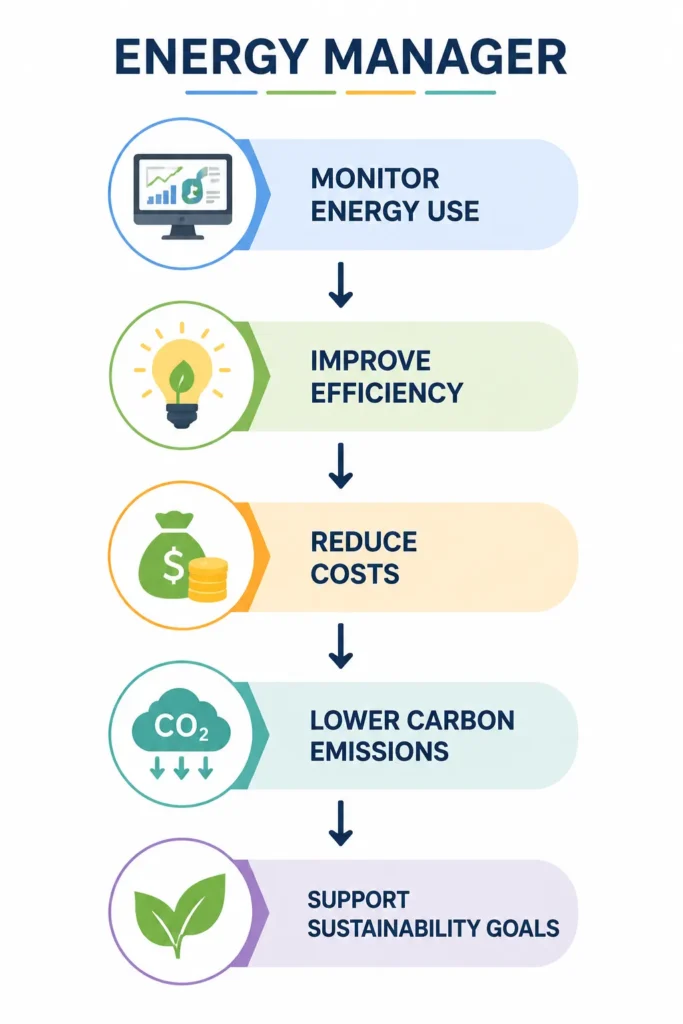
An Energy Manager is a professional responsible for monitoring, analysing, and improving how organisations use energy. They develop strategies to reduce energy consumption, improve efficiency, control operational costs, and support environmental sustainability objectives.
Purpose of an Energy Manager
The main purpose of an Energy Manager is to ensure energy resources are used efficiently while minimising unnecessary waste. They collect and evaluate energy data, identify areas for improvement, recommend energy-saving measures, and support the implementation of solutions that optimise energy performance.
Role of an Energy Manager in Sustainability
Energy Managers play a key role in helping organisations achieve sustainability goals by reducing their carbon footprint and supporting the transition towards net-zero targets. They contribute to sustainable practices through renewable energy adoption, energy-efficient technologies, and improved resource management strategies.
Role in Reducing Energy Costs and Emissions
By improving energy performance, Energy Managers help organisations reduce operational expenses and lower greenhouse gas emissions. Their work supports better energy management, regulatory compliance, and long-term sustainable operations across industries such as construction, manufacturing, healthcare, commercial buildings, and other energy-intensive sectors.
What Does an Energy Manager Do?
An Energy Manager is responsible for developing and implementing strategies that improve energy efficiency, reduce operational costs, and support sustainability objectives. Their role involves analysing energy performance, identifying improvement opportunities, implementing energy-saving measures, and ensuring organisations meet environmental and regulatory requirements.
Energy Monitoring and Analysis
Energy Managers continuously monitor energy consumption across buildings, facilities, or industrial operations to understand how energy is being used. They collect and analyse energy performance data to identify patterns, detect inefficiencies, and find opportunities to reduce unnecessary energy usage.
Key activities include:
- Tracking electricity, fuel, and other energy consumption data.
- Analysing energy performance trends and usage patterns.
- Identifying areas where energy is wasted or used inefficiently.
- Preparing reports to support energy improvement decisions.
Energy Audits
Energy Managers conduct energy audits to evaluate the efficiency of existing systems, equipment, and operational processes. These assessments help identify where improvements can be made to reduce energy consumption and improve overall performance.
Key responsibilities include:
- Assessing energy use within facilities and operations.
- Reviewing equipment performance and energy-saving opportunities.
- Identifying potential improvements and cost-saving measures.
- Developing recommendations for better energy management.
Energy Efficiency Improvement
A major responsibility of an Energy Manager is implementing strategies that improve energy efficiency while maintaining operational performance. They work with engineering, maintenance, and management teams to introduce practical energy-saving solutions.
Key activities include:
- Recommending energy-efficient technologies and practices.
- Supporting the implementation of energy improvement projects.
- Optimising building systems, machinery, and operational processes.
- Monitoring the effectiveness of energy-saving initiatives.
Carbon Reduction Management
Energy Managers contribute to organisational sustainability goals by reducing greenhouse gas emissions associated with energy use. They develop strategies that help businesses lower their environmental impact and progress towards net-zero objectives.
Key responsibilities include:
- Identifying opportunities to reduce carbon emissions.
- Supporting carbon reduction plans and sustainability strategies.
- Improving energy performance to decrease environmental impact.
- Tracking progress towards emissions reduction targets.
Renewable Energy Integration
Energy Managers evaluate opportunities to incorporate renewable energy solutions into organisational operations. They assess the feasibility and benefits of technologies that can reduce dependence on traditional energy sources.
Key activities include:
- Evaluating solar, wind, and other renewable energy options.
- Supporting renewable energy implementation projects.
- Analysing energy savings and environmental benefits.
- Working with technical teams to integrate renewable systems.
Compliance Management
Energy Managers ensure that organisations follow relevant energy regulations, environmental requirements, and industry standards. They help maintain compliance while improving energy performance.
Key responsibilities include:
- Monitoring changes in energy and environmental regulations.
- Ensuring energy practices meet legal and organisational requirements.
- Supporting sustainability reporting and compliance documentation.
- Implementing energy management systems based on recognised standards such as ISO 50001 Energy Management Systems, which provides a framework for improving energy performance and achieving continuous improvement.
Difference Between an Energy Manager and an Energy Engineer
Although Energy Managers and Energy Engineers work towards improving energy efficiency and reducing environmental impact, their roles differ in focus, responsibilities, and areas of expertise. An Energy Engineer mainly focuses on the technical design and optimisation of energy systems, while an Energy Manager focuses on energy strategy, performance improvement, and organisational energy goals.
| Aspect | Energy Manager | Energy Engineer |
|---|---|---|
| Primary Focus | Managing energy performance, efficiency strategies, and sustainability goals | Designing, analysing, and improving energy systems and technical solutions |
| Main Responsibilities | Develop energy strategies, monitor energy use, conduct audits, manage projects, and support sustainability targets | Design energy systems, evaluate equipment performance, perform technical calculations, and develop engineering solutions |
| Work Approach | Strategic and management-focused | Technical and engineering-focused |
| Energy Audits | Reviews energy performance and identifies improvement opportunities | Performs detailed technical assessments of equipment and systems |
| Sustainability Role | Supports carbon reduction plans, net-zero strategies, and energy policies | Develops technical solutions that improve energy efficiency and reduce emissions |
| Key Skills | Leadership, communication, energy management, reporting, project coordination | Engineering design, system modelling, technical analysis, and equipment optimisation |
| Common Background | Energy management, engineering, environmental science, sustainability | Mechanical, electrical, energy, or environmental engineering |
| Typical Tools | Energy management systems, monitoring software, carbon reporting platforms | Engineering simulation tools, energy modelling software, technical analysis tools |
Energy Manager Daily Activities
The daily activities of an Energy Manager involve monitoring energy performance, identifying improvement opportunities, coordinating with technical teams, and developing strategies to improve energy efficiency. Their work combines data analysis, site assessments, project management, and sustainability planning.
Energy Monitoring and Performance Review
At the start of the day, Energy Managers typically review energy performance information to understand current consumption levels and identify any unusual patterns.
Common activities include:
- Reviewing energy monitoring dashboards and performance indicators.
- Analysing electricity, fuel, and resource consumption trends.
- Identifying abnormal energy usage or potential efficiency issues.
- Checking progress against energy reduction targetSite Inspections and Team Coordination
During the day, Energy Managers often visit operational areas and work closely with engineering, maintenance, and facility teams to assess energy performance in practice.
Common activities include:
- Conducting site inspections to identify energy-saving opportunities.
- Evaluating equipment, systems, and operational processes.
- Meeting engineering and maintenance teams to discuss energy issues.
- Supporting the implementation of efficiency improvement measures.
Reporting and Strategy Development
Later in the day, Energy Managers focus on documentation, analysis, and planning future energy improvement initiatives.
Common activities include:
- Preparing energy performance reports and sustainability updates.
- Reviewing the effectiveness of current energy-saving projects.
- Developing strategies to improve energy efficiency.
- Planning future initiatives for reducing costs and carbon emissions.
Energy Management Process
The Energy Management Process follows a structured approach that helps organisations understand energy usage, identify improvement opportunities, implement efficiency measures, and achieve continuous performance improvement.
📊 Energy Data Collection
Collect energy consumption information from buildings, equipment, and operational systems. This data provides the foundation for understanding current energy performance.
⬇️
📈 Energy Performance Analysis
Analyse collected energy data to identify usage patterns, inefficiencies, and areas where energy savings can be achieved.
⬇️
🔍 Energy Audit
Conduct detailed assessments of energy systems, equipment, and processes to identify improvement opportunities and potential cost savings.
⬇️
💡 Efficiency Improvement Plan
Develop practical strategies and action plans to reduce energy consumption, improve efficiency, and optimise operational performance.
⬇️
⚙️ Implementation
Apply recommended energy-saving solutions, upgrade systems, and introduce improved practices to achieve energy performance goals.
⬇️
🔄 Monitoring and Continuous Improvement
Regularly track energy performance, measure results, and improve strategies to maintain long-term energy efficiency and sustainability.
Skills Required to Become an Energy Manager
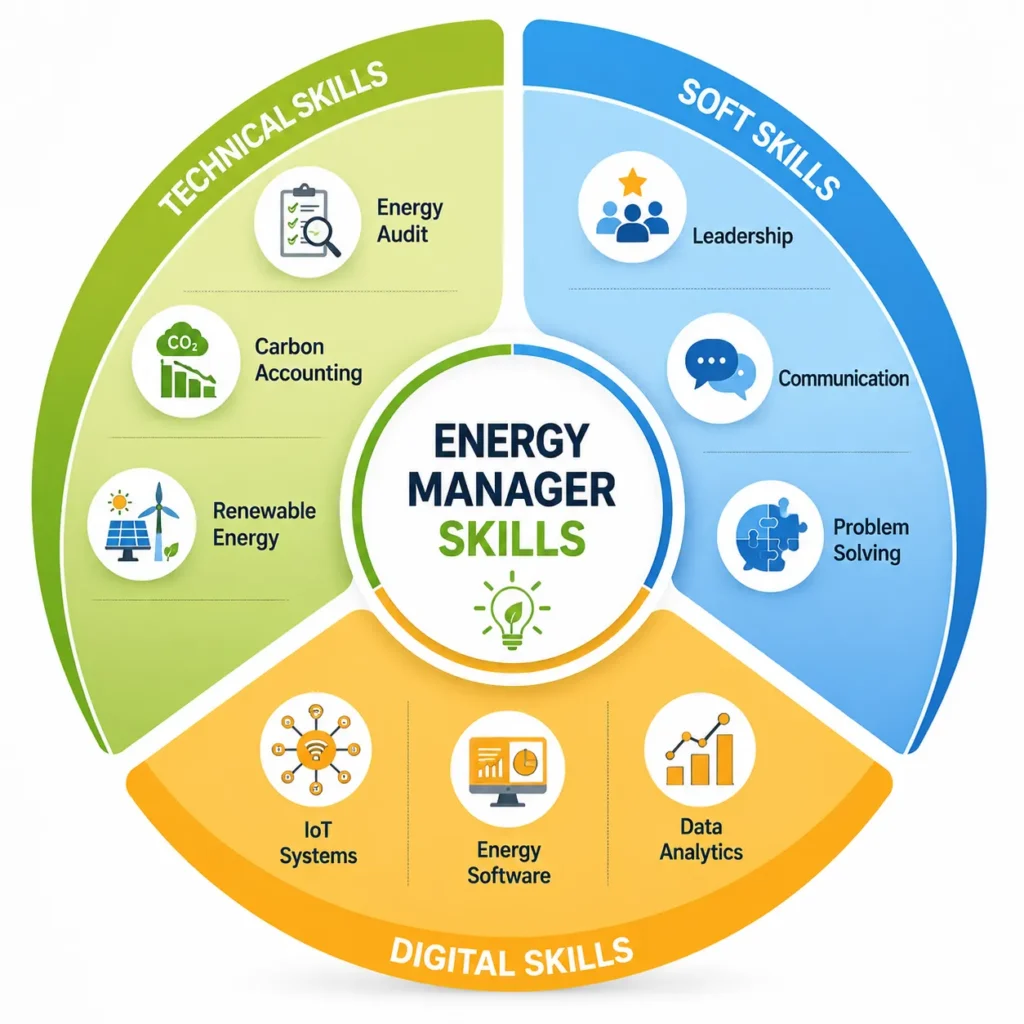
Becoming an effective Energy Manager requires a combination of technical expertise, management abilities, and digital skills. These skills enable professionals to analyse energy performance, develop improvement strategies, manage projects, and support organisations in achieving energy efficiency and sustainability goals.
🔧 Technical Skills
Technical knowledge helps Energy Managers understand energy systems, identify efficiency opportunities, and implement effective solutions.
Key technical skills include:
- Energy Auditing – Ability to assess energy consumption, identify inefficiencies, and recommend improvement measures.
- Energy Modelling – Understanding how to analyse and predict energy performance of buildings, facilities, and systems.
- Data Analysis – Ability to interpret energy data and identify trends, patterns, and opportunities for optimisation.
- Building Energy Systems – Knowledge of heating, cooling, lighting, ventilation, and other systems that influence energy performance.
- Renewable Energy Technologies – Understanding solar, wind, and other renewable solutions to support clean energy integration.
- Carbon Accounting – Ability to measure, track, and manage greenhouse gas emissions related to energy use.
🤝 Soft Skills
Energy Managers need strong professional and interpersonal skills to coordinate with teams, communicate strategies, and lead energy improvement initiatives.
Important soft skills include:
- Leadership – Ability to guide teams and drive energy efficiency projects.
- Communication – Capability to explain energy strategies and recommendations to technical and non-technical stakeholders.
- Problem-Solving – Ability to identify energy challenges and develop practical solutions.
- Project Management – Skills to plan, manage, and deliver energy improvement projects effectively.
💻 Digital Skills
Modern Energy Managers rely on digital tools and technologies to monitor performance and make data-driven decisions.
Important digital skills include:
- Energy Monitoring Software – Ability to use digital platforms for tracking and analysing energy consumption.
- IoT Systems – Understanding smart sensors and connected devices used for real-time energy monitoring.
- Data Analytics Platforms – Ability to use analytical tools to evaluate energy performance and identify improvement opportunities.
Qualifications and Certifications Required to Become an Energy Manager
A career as an Energy Manager requires a combination of technical knowledge, sustainability expertise, and practical energy management skills. While requirements may vary by industry and region, employers generally look for professionals with relevant academic qualifications and recognised certifications that demonstrate their ability to manage energy performance and sustainability initiatives.
🎓 Engineering Degrees
Engineering qualifications provide a strong foundation for understanding energy systems, equipment performance, and efficiency improvement strategies. Many Energy Managers come from engineering backgrounds such as:
- Electrical Engineering
- Mechanical Engineering
- Energy Engineering
- Building Services Engineering
- Environmental Engineering
These qualifications help professionals understand energy systems, industrial processes, building performance, and technical solutions for reducing energy consumption.
🌱 Environmental Science Degrees
Environmental science qualifications are valuable for Energy Managers focusing on sustainability, carbon reduction, and environmental performance. These programmes develop knowledge in areas such as:
- Climate change and sustainability
- Environmental management
- Carbon emissions reduction
- Resource efficiency
- Sustainable development practices
This knowledge supports organisations in achieving environmental targets and improving sustainability performance.
⚡ Energy Management Qualifications
Specialised energy management qualifications help professionals develop practical skills in energy auditing, efficiency improvement, and energy performance management.
Common areas covered include:
- Energy monitoring and analysis
- Energy efficiency strategies
- Energy auditing techniques
- Energy conservation methods
- Energy performance improvement planning
These qualifications help professionals manage energy projects and support organisations in reducing costs and environmental impacts.
📘 ISO 50001 Training
Training in ISO 50001 Energy Management Systems provides knowledge of the international framework used by organisations to improve energy performance. It helps Energy Managers understand how to establish, implement, maintain, and continuously improve energy management systems.
Key learning areas include:
- Developing energy policies and objectives
- Monitoring energy performance indicators
- Conducting energy reviews
- Implementing continual improvement processes
- Supporting organisational energy efficiency goals
🌍 Sustainability Certifications
Sustainability certifications enhance an Energy Manager’s ability to address environmental challenges and support corporate sustainability goals.
Relevant areas include:
- Carbon management
- Net-zero strategies
- Environmental management systems
- Sustainable business practices
- Green building principles
These certifications help Energy Managers contribute effectively to climate action plans, emissions reduction strategies, and long-term sustainable development initiatives.
How to Become an Energy Manager
🎓 Entry Level
⚡ Energy Technician
⬇️
📊 Energy Analyst
⬇️
🔧 Energy Engineer
⬇️
🌱 Energy Manager
⬇️
🌍 Sustainability Director
Energy Manager Salary Comparison
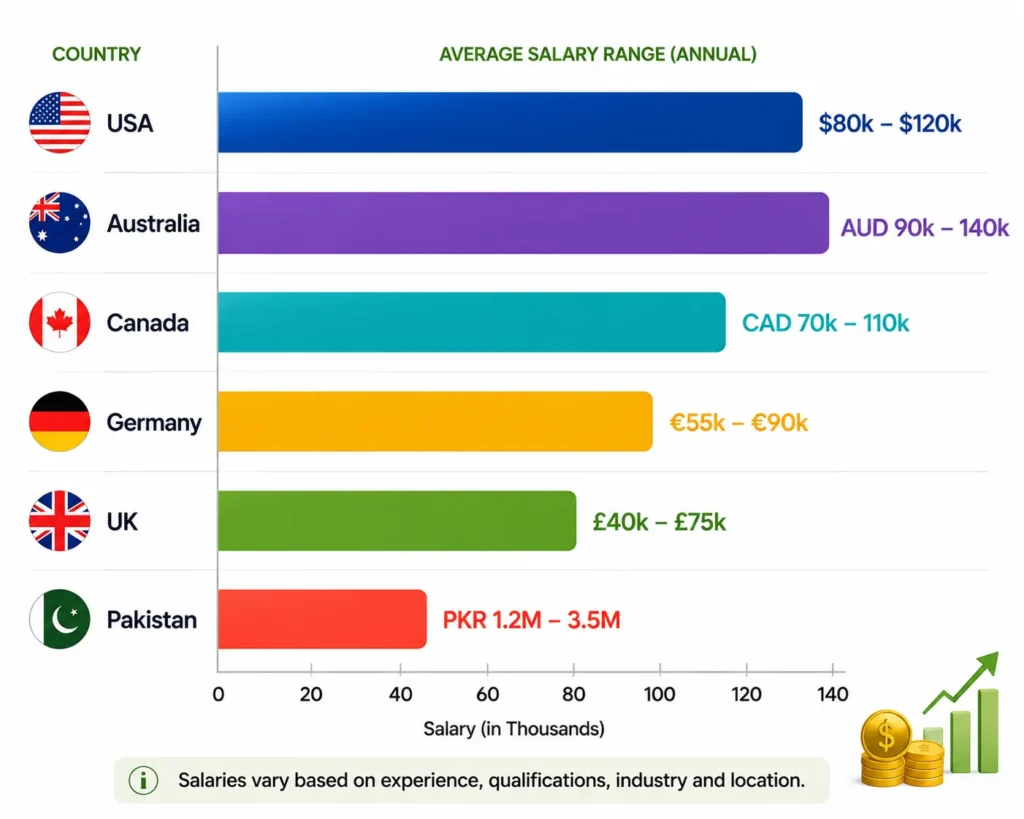
Energy Manager salaries vary depending on location, industry, experience level, qualifications, and the size of the organisation. Professionals with strong technical expertise, sustainability knowledge, and recognised certifications often have greater earning potential.
Average Energy Manager Salary by Country
| Country | Average Annual Salary |
|---|---|
| USA | $80,000 – $120,000 |
| UK | £40,000 – £75,000 |
| Canada | CAD 70,000 – CAD 110,000 |
| Australia | AUD 90,000 – AUD 140,000 |
| Germany | €55,000 – €90,000 |
| Pakistan | PKR 1,200,000 – PKR 3,500,000 |
Salary by Experience Level
| Experience Level | Typical Salary Range |
|---|---|
| Entry-Level Energy Professional (0–2 years) | Lower salary range with focus on gaining technical experience and industry knowledge |
| Mid-Level Energy Manager (3–7 years) | Higher earning potential through energy projects, audits, and efficiency improvements |
| Senior Energy Manager (8+ years) | Advanced salaries due to leadership responsibilities, strategic planning, and sustainability management |
Factors Influencing Energy Manager Salary
Several factors can affect an Energy Manager’s earning potential, including:
- Professional experience and industry expertise.
- Academic qualifications and specialised energy management certifications.
- Knowledge of energy auditing, carbon management, and renewable energy systems.
- Experience with ISO 50001 Energy Management Systems.
- Organisation size and complexity of energy operations.
- Location and demand for energy and sustainability professionals.
- Leadership responsibilities and project management experience.
Industries Hiring Energy Managers
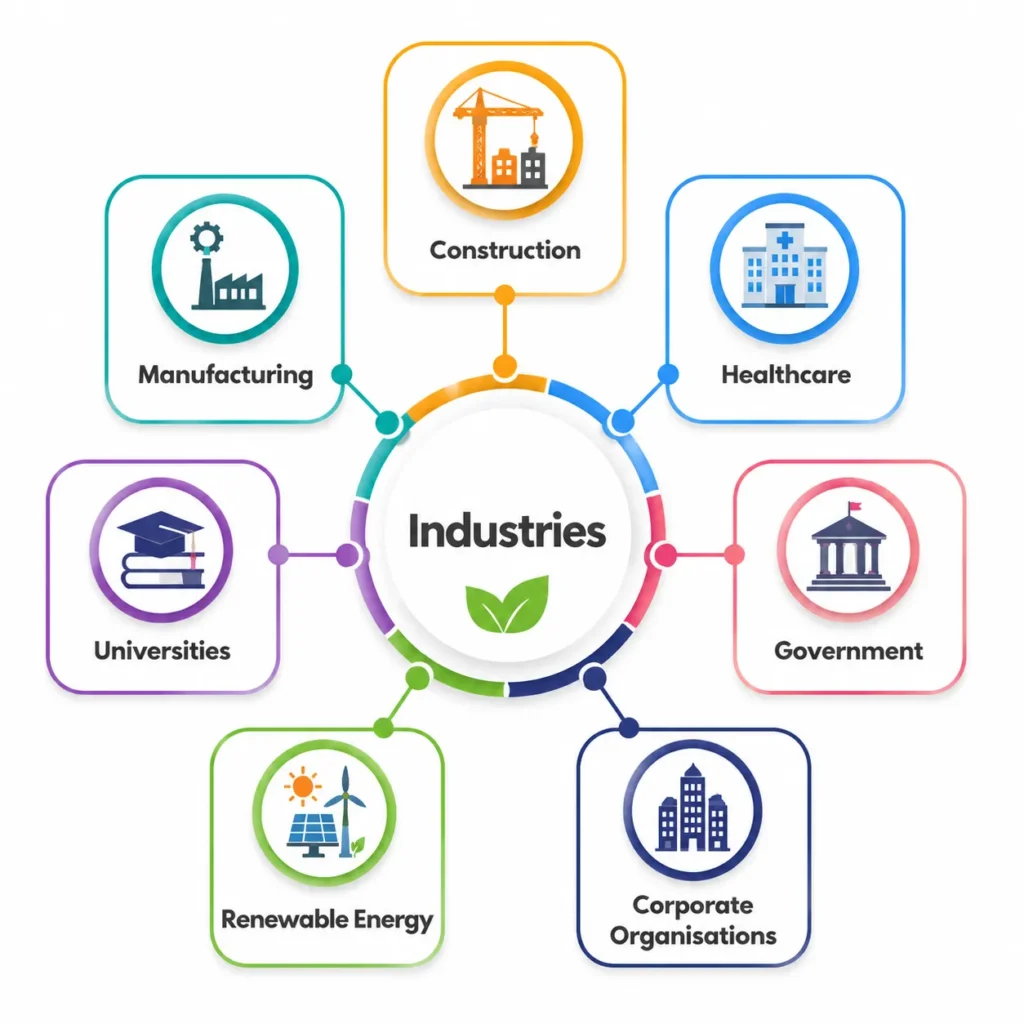
Energy Managers are required across multiple industries where organisations aim to improve energy efficiency, reduce operational costs, and achieve sustainability targets. Their expertise helps businesses manage energy consumption, lower emissions, and implement effective energy strategies.
🏗️ Construction
The construction sector hires Energy Managers to improve the energy performance of buildings and infrastructure projects. They support sustainable building design, energy-efficient systems, and compliance with green building standards.
Key responsibilities include:
- Improving building energy efficiency.
- Supporting sustainable construction practices.
- Monitoring energy performance of facilities.
- Implementing energy-saving solutions in buildings.
⚙️ Manufacturing
Manufacturing industries rely on Energy Managers to reduce energy consumption in production processes and improve operational efficiency. They identify energy losses, optimise equipment performance, and develop strategies to reduce industrial energy costs.
Key responsibilities include:
- Analysing industrial energy usage.
- Improving machinery and process efficiency.
- Reducing energy waste in production operations.
- Supporting carbon reduction initiatives.
🏥 Healthcare
Hospitals and healthcare facilities require Energy Managers due to their high energy demand from medical equipment, heating, cooling, and lighting systems. Energy Managers help maintain reliable energy performance while reducing costs and environmental impact.
Key responsibilities include:
- Managing energy consumption in healthcare facilities.
- Improving efficiency of heating, ventilation, and cooling systems.
- Supporting sustainable healthcare operations.
- Reducing carbon emissions.
🎓 Universities
Universities and educational institutions employ Energy Managers to manage energy use across campuses, laboratories, and buildings. They help institutions achieve sustainability goals while reducing energy expenses.
Key responsibilities include:
- Monitoring campus energy performance.
- Developing energy efficiency programmes.
- Supporting renewable energy projects.
- Promoting sustainable energy practices.
🏛️ Government
Government departments and public sector organisations hire Energy Managers to improve energy efficiency in public buildings and support national sustainability targets.
Key responsibilities include:
- Managing energy performance of public facilities.
- Supporting energy reduction policies.
- Ensuring compliance with energy regulations.
- Developing sustainability improvement strategies.
☀️ Renewable Energy
Renewable energy companies employ Energy Managers to support the planning, operation, and optimisation of clean energy projects. They help organisations maximise energy performance and integrate renewable technologies.
Key responsibilities include:
- Evaluating renewable energy opportunities.
- Managing energy performance of renewable systems.
- Supporting solar, wind, and clean energy projects.
- Improving renewable energy efficiency.
🏢 Corporate Organisations
Large businesses and corporate organisations hire Energy Managers to reduce operating costs, improve sustainability performance, and achieve environmental targets.
Key responsibilities include:
- Developing corporate energy strategies.
- Managing energy efficiency programmes.
- Supporting ESG and net-zero objectives.
- Reducing energy costs across business operations.
Future of Energy Management
The future of Energy Management is being shaped by global sustainability goals, advanced technologies, and the increasing need for organisations to reduce energy costs and environmental impacts. Energy Managers will play a key role in helping businesses achieve efficient, intelligent, and sustainable energy operations.
🎯 Net-Zero Targets
Energy Managers will become increasingly important as organisations work towards achieving net-zero carbon goals. They will develop energy reduction strategies, improve efficiency, and support initiatives that reduce greenhouse gas emissions.
🏢 Smart Buildings
The growth of smart buildings will transform energy management through automated systems, connected devices, and real-time monitoring. Energy Managers will use smart technologies to optimise heating, cooling, lighting, and overall building performance.
🤖 AI Energy Optimisation
Artificial intelligence will support Energy Managers by analysing large amounts of energy data, predicting consumption patterns, and identifying opportunities for improved efficiency. AI-powered solutions will help organisations make faster and more accurate energy decisions.
☀️ Renewable Energy Growth
The increasing adoption of renewable energy sources such as solar and wind will create new opportunities for Energy Managers. They will support renewable energy integration, improve energy resilience, and help organisations transition away from traditional energy sources.
📊 Carbon Reporting
As sustainability reporting becomes more important, Energy Managers will play a greater role in measuring, tracking, and reporting carbon emissions. They will support organisations in meeting environmental requirements and improving transparency around their sustainability performance.
Conclusion
Energy Managers play a crucial role in helping organisations improve energy efficiency, reduce operational costs, and achieve sustainability goals. Their expertise in energy monitoring, efficiency improvement, renewable energy integration, and carbon reduction supports businesses in managing resources more effectively.
As organisations continue to focus on net-zero targets, smart technologies, and sustainable operations, the demand for skilled Energy Managers is expected to grow. With the right qualifications, technical knowledge, and sustainability skills, Energy Management offers a rewarding career path for professionals who want to contribute to a more energy-efficient and environmentally responsible future.