
What is a CSCS Card? Complete Guide for Beginners (2026 Updated)
Introduction
If you’re thinking about starting a career in the UK construction industry, you may have already come across the term CSCS card. For many beginners, it can sound confusing at first but in simple terms, it’s one of the most important things you need before stepping onto a construction site.
A CSCS card (issued by the Construction Skills Certification Scheme) acts as proof that you have the basic knowledge, training, and qualifications required to work safely in construction. It tells employers that you understand health and safety rules and are capable of working in a professional environment.
Whether you are:
- Just starting with no experience
- Switching careers into construction
- Already working but looking to improve your opportunities
Having a CSCS card can make a huge difference in getting hired and progressing in your career.
In 2026, the UK construction industry is more focused than ever on safety, skills, and compliance. Employers are under strict pressure to ensure that everyone on-site is properly trained. Because of this, most companies now expect workers to have a valid CSCS card before they even consider hiring them.
Without it, you may find it difficult to:
- Get access to construction sites
- Secure stable job opportunities
- Compete with other qualified workers
The good news is that getting a CSCS card is not as complicated as it might seem especially when you understand the process step by step.
In this complete beginner-friendly guide, we will walk you through everything you need to know in simple terms. You’ll learn:
- What a CSCS card is and why it’s important
- The different types of CSCS cards available
- Who needs one and which card is right for you
- The exact steps to apply
- Costs, requirements, and common mistakes to avoid
By the end of this guide, you’ll have a clear understanding of how to get your CSCS card and confidently take the first step toward building a successful career in the UK construction industry.
What is a CSCS Card?
A CSCS card (Construction Skills Certification Scheme card) is an official card used in the UK construction industry to show that a worker has the necessary skills, qualifications, and health & safety knowledge to work safely on a construction site.
In simple terms, it acts like a proof of competence. When you show your CSCS card to an employer or site manager, it confirms that you understand how to work safely and meet the required industry standards.
The card is issued by the Construction Skills Certification Scheme, an organisation dedicated to improving safety, reducing risks, and raising professionalism across the construction sector.
Purpose of a CSCS Card
The CSCS card is designed to make construction sites safer and more efficient. Its main purposes include:
- Verifying Qualifications
It confirms that you have the appropriate training or qualifications for your job role. - Ensuring Health & Safety Awareness
It shows that you understand essential safety practices required on construction sites. - Reducing Workplace Accidents
By ensuring workers are trained, it helps minimise risks, injuries, and unsafe practices. - Improving Industry Standards
It promotes a more skilled, qualified, and professional workforce across the UK.
Is a CSCS Card Mandatory?
Legally, a CSCS card is not a requirement by law. However, in reality, most construction companies and contractors in the UK will not allow you to work on-site without one.
This means that while it’s not officially mandatory, it is essential if you want to build a career in construction.
Why is a CSCS Card Important in the UK?
In the UK construction industry, a CSCS card is more than just a simple ID it’s a key requirement that can directly impact your ability to get hired, work safely, and grow your career. As safety regulations and industry standards continue to tighten in 2026, having a CSCS card has become almost essential for anyone entering or progressing in construction.
Here’s why it matters so much:
1. Required by Most Employers
While not legally mandatory, the majority of construction companies across the UK expect workers to already hold a valid CSCS card before stepping onto a site.
Employers use the card as a quick and reliable way to check that you:
- Have the right qualifications for your role
- Understand basic health and safety practices
- Are ready to work in a construction environment
In many cases, you won’t even be allowed on-site without it, making it a practical requirement for employment.
2. Increases Job Opportunities
Having a CSCS card significantly expands the number of jobs you can apply for.
Without a CSCS card:
- Your job options are limited
- Employers may reject your application immediately
With a CSCS card:
- You can apply for a wide range of roles across the UK
- You become more competitive compared to other candidates
- Recruitment agencies are more likely to shortlist you
Simply put, a CSCS card opens doors to more opportunities in the construction industry.
3. Demonstrates Professionalism
Holding a CSCS card shows that you take your career seriously and are committed to meeting industry standards.
It tells employers that you:
- Have invested time in training and qualifications
- Understand your responsibilities on-site
- Are dedicated to working professionally
This can make a strong first impression and increase your chances of being hired or promoted.
4. Enhances Workplace Safety
Construction sites can be high-risk environments, which is why safety is a top priority.
To obtain a CSCS card, you must pass a health and safety test (through organisations like CITB). This ensures that you understand:
- How to identify hazards
- How to prevent accidents
- How to follow safety procedures
- What to do in emergency situations
As a result, workers with CSCS cards help create a safer working environment, reducing the chances of injuries and incidents on-site.
In today’s UK construction industry, a CSCS card is not just helpful it’s practically essential. It improves your employability, proves your competence, and ensures you can work safely and professionally on-site.
Who Needs a CSCS Card?
A CSCS card is relevant for almost everyone working on a construction site in the UK, regardless of their experience level or job role. It helps employers quickly verify that workers are properly trained and understand essential health and safety practices.
Whether you are just starting out or already experienced, having a CSCS card can significantly improve your chances of working on-site.
Common Roles That Require a CSCS Card
A CSCS card is typically needed for:
- Labourers
Entry-level workers who perform general site tasks such as lifting, cleaning, and assisting skilled workers. - Skilled Tradespeople
Professionals such as electricians, plumbers, carpenters, and bricklayers who require specific qualifications. - Site Supervisors
Individuals responsible for managing teams and ensuring work is carried out safely and efficiently. - Construction Managers
Senior professionals who oversee projects, budgets, and site operations. - Apprentices and Trainees
Individuals who are learning and gaining practical experience while working toward formal qualifications.
Is It Mandatory for Everyone?
Although a CSCS card is not legally required, in reality, most UK construction companies and contractors expect all workers on-site to have one.
This means that even if your role doesn’t strictly require it, not having a CSCS card can limit your job opportunities and prevent you from accessing many construction sites.
If you’re planning to build a career in construction whether as a beginner or a professional getting a CSCS card is one of the smartest steps you can take to improve your employability and work safely in the industry.
Types of CSCS Cards
Before applying for a CSCS card, it’s important to understand that there are different types of cards for different roles and experience levels. Choosing the right card ensures that your qualifications match your job role and helps avoid delays or rejection during the application process.
Each CSCS card is colour-coded, making it easy for employers and site managers to quickly identify your level of skill and responsibility.
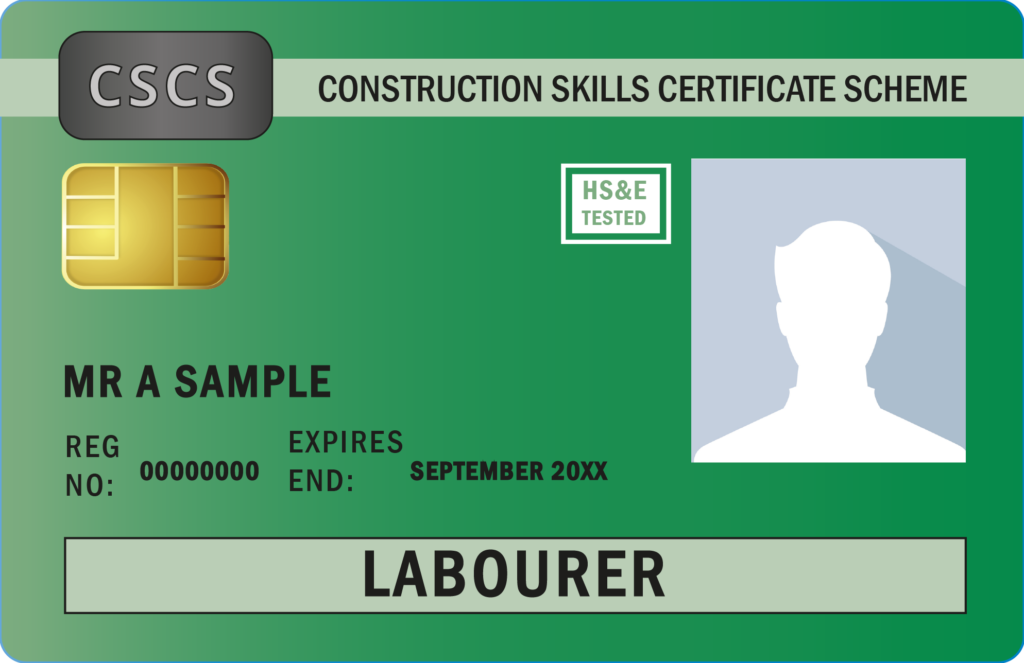
🟢 Green CSCS Card – Labourer
The Green Card is designed for entry-level workers who are new to the construction industry.
Who is it for?
- General labourers
- Individuals with little or no experience
- Those starting their construction career
Requirements:
- Basic health & safety training (such as a Level 1 Award in Health and Safety in a Construction Environment)
- Passing the CITB Health, Safety & Environment Test
Validity: Typically valid for 5 years
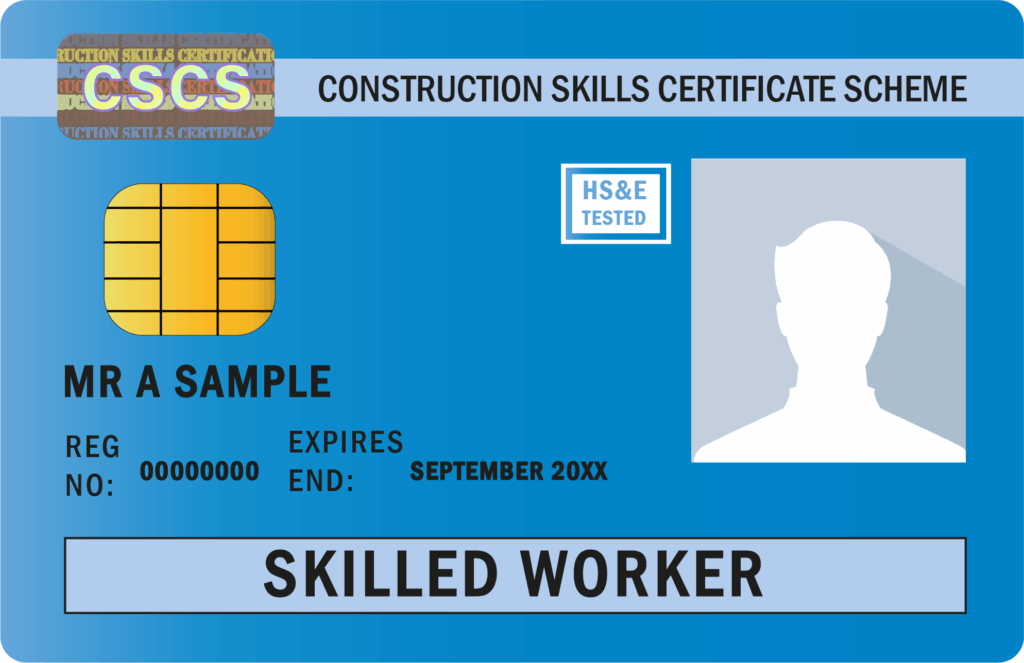
🔵 Blue CSCS Card – Skilled Worker
The Blue Card is for workers who have gained formal qualifications and experience in a specific trade.
Who is it for?
- Electricians
- Plumbers
- Carpenters
- Bricklayers
- Other skilled tradespeople
Requirements:
- Relevant qualification (usually an NVQ Level 2 or equivalent)
- CITB Health & Safety Test
Validity: Typically valid for 5 years
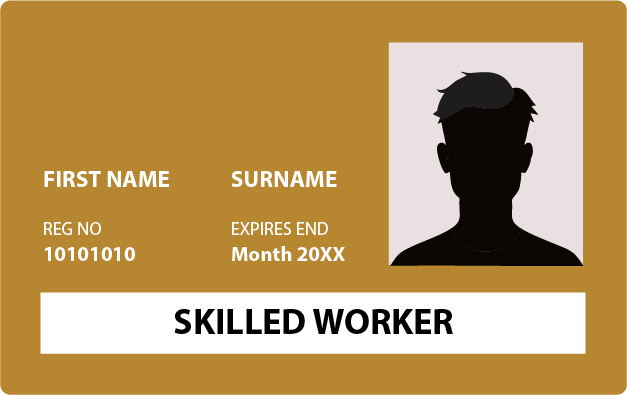
🟡 Gold CSCS Card – Supervisor
The Gold Card is aimed at workers who have progressed into supervisory roles.
Who is it for?
- Site supervisors
- Team leaders
- Experienced workers managing others
Requirements:
- NVQ Level 3 or 4 in a supervisory role
- CITB Health & Safety Test
Validity: Typically valid for 5 years
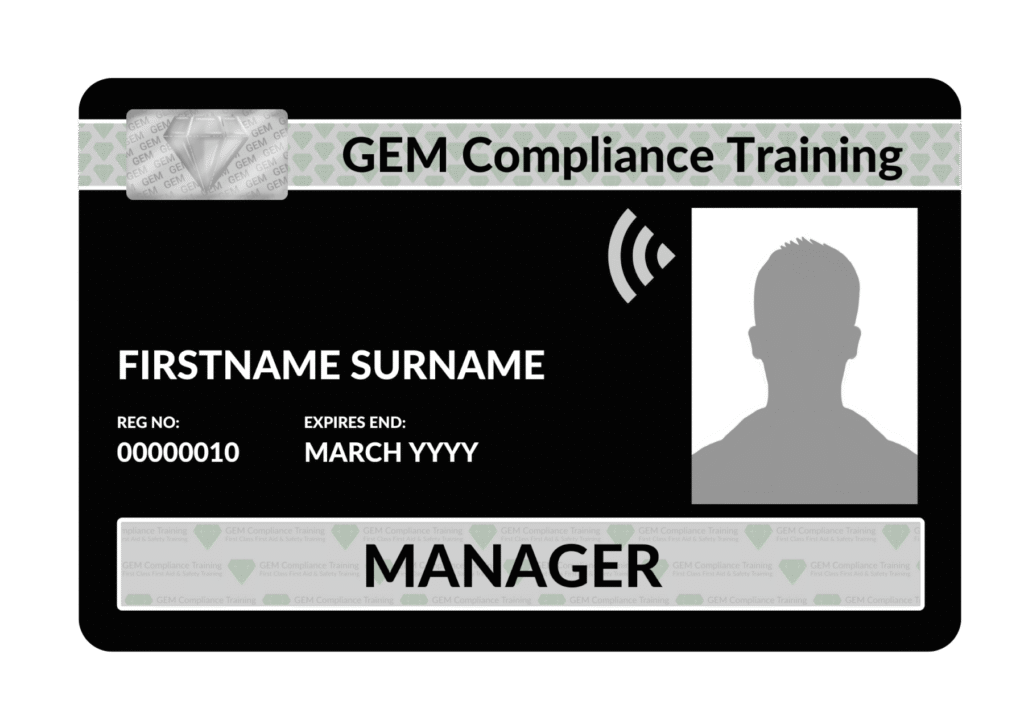
⚫ Black CSCS Card – Manager
The Black Card is the highest-level CSCS card and is designed for senior construction professionals.
Who is it for?
- Construction managers
- Site managers
- Project managers
Requirements:
- NVQ Level 6 or 7 in construction management or related field
- CITB Health & Safety Test
Validity: Typically valid for 5 years
🔴 Red CSCS Card – Temporary / Trainee
The Red Card is a temporary card for individuals who are still training or gaining qualifications.
Who is it for?
- Apprentices
- Trainees
- Workers working towards an NVQ
- Experienced workers without formal qualifications (temporary route)
Requirements:
- Enrollment in a recognised training or qualification program
- CITB Health & Safety Test (in most cases)
Validity: Short-term (varies depending on type, usually 6 months to 5 years depending on category)
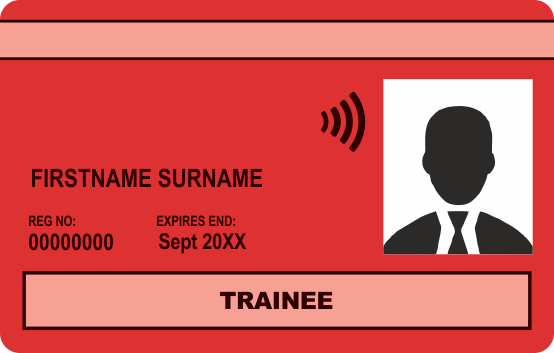
This card allows you to work while completing your qualifications.
| Card Type | Level | Who It’s For | Qualification | Validity |
|---|---|---|---|---|
| Green | Entry | Labourers | Level 1 H&S | 5 Years |
| Blue | Skilled | Tradespeople | NVQ Level 2 | 5 Years |
| Gold | Supervisor | Supervisors | NVQ Level 3–4 | 5 Years |
| Black | Manager | Managers | NVQ Level 6–7 | 5 Years |
| Red | Temporary | Trainees | Enrolled in NVQ | Varies |
How to Choose the Right CSCS Card
Choosing the correct CSCS card is an important step, as it must match your current role, experience, and qualifications. Applying for the wrong card can lead to delays, rejection, or even prevent you from working on-site.
To make the right choice, you should consider the following factors:
1. Your Experience Level
Are you just starting out, or do you already have experience in construction?
- Beginner → Green Labourer Card
- Experienced worker → Blue or Gold Card
- Senior professional → Black Card
2. Your Job Role
Your CSCS card should match the type of work you do on-site.
- General labour → Green Card
- Skilled trade (e.g., electrician, plumber) → Blue Card
- Supervisor → Gold Card
- Manager → Black Card
Employers expect your card to reflect your actual job role.
3. Your Qualifications (e.g., NVQs)
Most CSCS cards require formal qualifications such as NVQs.
- No qualification → Entry-level (Green Card)
- NVQ Level 2 → Blue Card
- NVQ Level 3–4 → Gold Card
- NVQ Level 6–7 → Black Card
Your qualification level is one of the most important requirements for approval.
Avoid This Common Mistake
Applying for the wrong CSCS card can:
- Delay your application
- Lead to rejection
- Waste time and money
Always make sure your card matches your skills, role, and qualifications.
Best Path for Beginners
If you are new to the construction industry:
👉 Start with the Green Labourer Card
👉 Gain experience and complete relevant qualifications (such as NVQs)
👉 Progress to higher-level cards over time
This step-by-step approach allows you to build your skills, improve job opportunities, and grow into higher-paying roles within the UK construction industry.
Think of the CSCS card as a career ladder start at the level that fits you today, and move up as your experience and qualifications grow.
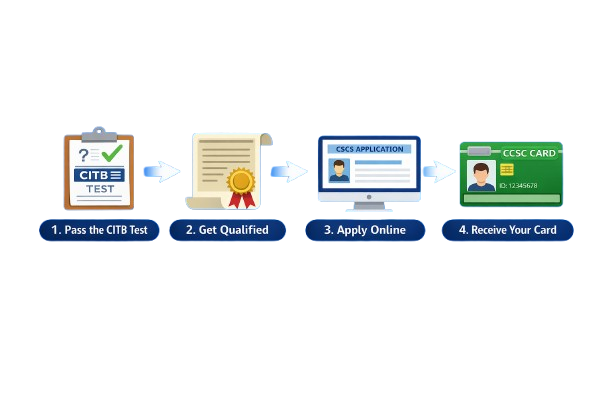
How to Get a CSCS Card (Step-by-Step)
Getting a CSCS card may seem complicated at first, but if you follow the correct steps, the process is actually simple and straightforward. Below is a clear step-by-step guide to help beginners understand exactly what to do.
Step 1: Pass the CITB Health, Safety & Environment Test
The first step is to pass the Health, Safety & Environment Test conducted by the CITB.
This test checks your understanding of:
- Workplace hazards
- Health and safety regulations
- Safe working practices
- Emergency procedures
You must pass this test before applying for most CSCS cards.
Tip:
Prepare using mock tests and study materials to increase your chances of passing on the first attempt.
Step 2: Obtain the Required Qualification
Most CSCS cards require you to have a relevant qualification that matches your job role.
For example:
- Entry-level roles → Basic health & safety course
- Skilled workers → NVQ Level 2
- Supervisors → NVQ Level 3–4
- Managers → NVQ Level 6–7
For higher-level positions, qualifications such as the ProQual Level 6 NVQ Diploma in Occupational Health and Safety Practice are highly recommended, as they demonstrate advanced knowledge and leadership skills.
Step 3: Apply for the CSCS Card Online
Once you have passed the CITB test and obtained the required qualification, you can apply for your CSCS card.
- Visit the official CSCS application website
- Complete the online application form
- Upload your documents (ID, test certificate, qualification proof)
- Pay the application fee
Make sure all your details are correct to avoid delays.
Step 4: Receive Your CSCS Card
After your application is reviewed and approved:
- Your CSCS card will be printed and posted to your address
- Delivery usually takes a few working days
Once you receive your card, you can present it to employers and gain access to construction sites.
Always ensure that your qualification, job role, and CSCS card type match correctly. Following the right process not only speeds up your application but also helps you start working without unnecessary delays.
CSCS Card Requirements
Before applying for a CSCS card, it’s important to understand the key requirements you must meet. These requirements ensure that every worker on a construction site is properly trained, qualified, and aware of health and safety standards.
While the exact requirements may vary depending on the type of CSCS card you are applying for, most applicants will need the following:
1. Valid Identification
You must provide a valid form of ID to confirm your identity. This is required during both the test and application process.
Accepted forms of ID usually include:
- Passport
- UK driving licence
Make sure your ID is valid and not expired, as incorrect documents can delay your application.
2. CITB Health, Safety & Environment Test Pass
You are required to pass the Health, Safety & Environment Test conducted by the CITB.
This test ensures that you:
- Understand workplace hazards
- Know how to follow safety procedures
- Can work safely on a construction site
👉 Your test result is valid for a limited time (usually 2 years), so apply for your CSCS card within that period.
3. Relevant Qualification (NVQ or Equivalent)
Most CSCS cards require a qualification that matches your job role.
For example:
- Entry-level roles → Basic health & safety certificate
- Skilled workers → NVQ Level 2
- Supervisors → NVQ Level 3–4
- Managers → NVQ Level 6–7
Your qualification proves that you have the skills and knowledge needed for your specific role.
4. Application Fee
To complete your application, you will need to pay a CSCS card fee.
- Standard CSCS card fee: £36 (subject to updates)
Additional costs may include:
- CITB test fee
- Training or qualification costs
Important Things to Remember
- Requirements may vary depending on the type of CSCS card
- All documents must be accurate and up to date
- Missing or incorrect information can delay your application
Meeting these requirements is the first step toward building a successful career in the UK construction industry. Once you have your ID, qualification, and test certificate ready, applying for your CSCS card becomes a quick and straightforward process.
CSCS Card Costs in 2026
Understanding the costs is simple, as most fees are fixed and affordable.
CSCS Card Fee
As of April 2026, the application fee for all CSCS card types is £36, including:
- Green, Blue, Gold, Black, and all Red cards
CITB Test Fee
To apply, you must pass the Health, Safety & Environment Test by the CITB.
- Test Fee: £22.50
Training / Qualification Cost
- Varies depending on the course (e.g., NVQ or health & safety training)
Total Basic Cost
- CSCS Card: £36
- CITB Test: £22.50
Total: £58.50 (excluding training costs)
The overall cost is relatively low, making it an affordable investment for starting or advancing your career in the UK construction industry.
How Long Does It Take to Get a CSCS Card?
The process usually takes:
- CITB Test booking: 1–7 days
- Application processing: 3–10 days
- Delivery: Within 2 weeks
👉Fast-track options may be available depending on your qualification.
Common Mistakes to Avoid
Avoid these mistakes to save time and money:
- Applying for the wrong card type
- Not having the required qualification
- Failing the CITB test
- Submitting incorrect documents
Benefits of Having a CSCS Card
Having a CSCS card offers several advantages that can significantly improve your career in the UK construction industry.
✔ Better Job Opportunities
A CSCS card allows you to apply for a wider range of construction jobs across the UK. Many employers and sites require it, so having one increases your chances of getting hired.
✔ Higher Earning Potential
Workers with the right qualifications and CSCS cards are often offered better-paying roles, as they are considered more skilled and reliable.
✔ Industry Recognition
It proves to employers that you meet professional standards and have the necessary training to work on construction sites.
✔ Improved Safety Awareness
The process of obtaining a CSCS card ensures you understand health and safety practices, helping to reduce risks and maintain a safer working environment.
A CSCS card is not just a requirement it’s a valuable asset that helps you build a safer, more stable, and higher-paying career in construction.
Can You Work Without a CSCS Card?
Technically, a CSCS card is not a legal requirement to work in the UK construction industry. There is no law that says you must have one to be employed. However, the reality on most construction sites is very different.
Industry Expectations
In practice, the majority of construction companies and contractors across the UK require workers to hold a valid CSCS card before allowing them on-site. This is because employers are responsible for maintaining high health and safety standards and need to ensure that every worker is properly trained.
Without a CSCS card, you may:
- Be refused entry to construction sites
- Struggle to secure job opportunities
- Be overlooked in favour of qualified candidates
Site Access and Safety Compliance
Most construction sites operate strict access controls. Before entering, workers are often asked to show their CSCS card as proof that they:
- Understand health and safety procedures
- Are qualified for their role
- Can work safely in a potentially hazardous environment
This makes the CSCS card a practical requirement, even if it’s not legally mandatory.
Employment Reality
From an employer’s perspective, hiring someone without a CSCS card can increase risk and liability. That’s why many companies include it as a basic requirement in job listings.
In real terms, this means:
- Having a CSCS card = more job opportunities
- Not having one = limited or no access to work
While you can technically work without a CSCS card, in reality, it is essential for building a successful career in the UK construction industry. Getting one not only improves your employability but also ensures you can work safely and professionally on-site.
CSCS Card vs NVQ (Key Difference)
Many beginners often get confused between a CSCS card and an NVQ qualification, but they serve different purposes in the construction industry.
CSCS Card
A CSCS card is proof of competence. It shows employers that you have the required training and health & safety awareness to work on a construction site.
NVQ Qualification
An NVQ (National Vocational Qualification) is proof of your skills and knowledge. It demonstrates that you are trained and capable of performing a specific job role to industry standards.
How They Work Together
In most cases, you need an NVQ (or equivalent qualification) to apply for a CSCS card especially for skilled, supervisory, or managerial roles.
- NVQ = proves what you can do
- CSCS Card = proves you are qualified to work safely on-site
Think of it this way: the NVQ builds your skills, and the CSCS card allows you to use those skills on construction sites.
| Feature | CSCS Card | NVQ |
|---|---|---|
| Purpose | Work access | Skill qualification |
| Required for job | Yes (practically) | Indirectly |
| Type | Card | Certificate |
How to Renew or Replace Your CSCS Card
- Cards are usually valid for 5 years
- Renew before expiry
- Replace immediately if lost or damaged
A CSCS card is one of the most important steps toward building a successful career in the UK construction industry. While it may seem like just a simple card, it plays a vital role in proving your skills, qualifications, and understanding of health and safety practices.
Throughout this guide, you’ve learned what a CSCS card is, why it matters, the different types available, and the exact steps required to get one. Whether you are a complete beginner or an experienced professional, having the right CSCS card can significantly improve your job opportunities and career growth.
In today’s competitive job market, employers are looking for workers who are qualified, reliable, and safety-aware. A CSCS card helps you stand out by showing that you meet industry standards and are ready to work in a professional construction environment.
If you’re just starting out, begin with the right card for your level, gain experience, and continue building your qualifications over time. With the right approach, your CSCS card can be the first step toward a stable, rewarding, and long-term career in construction.