
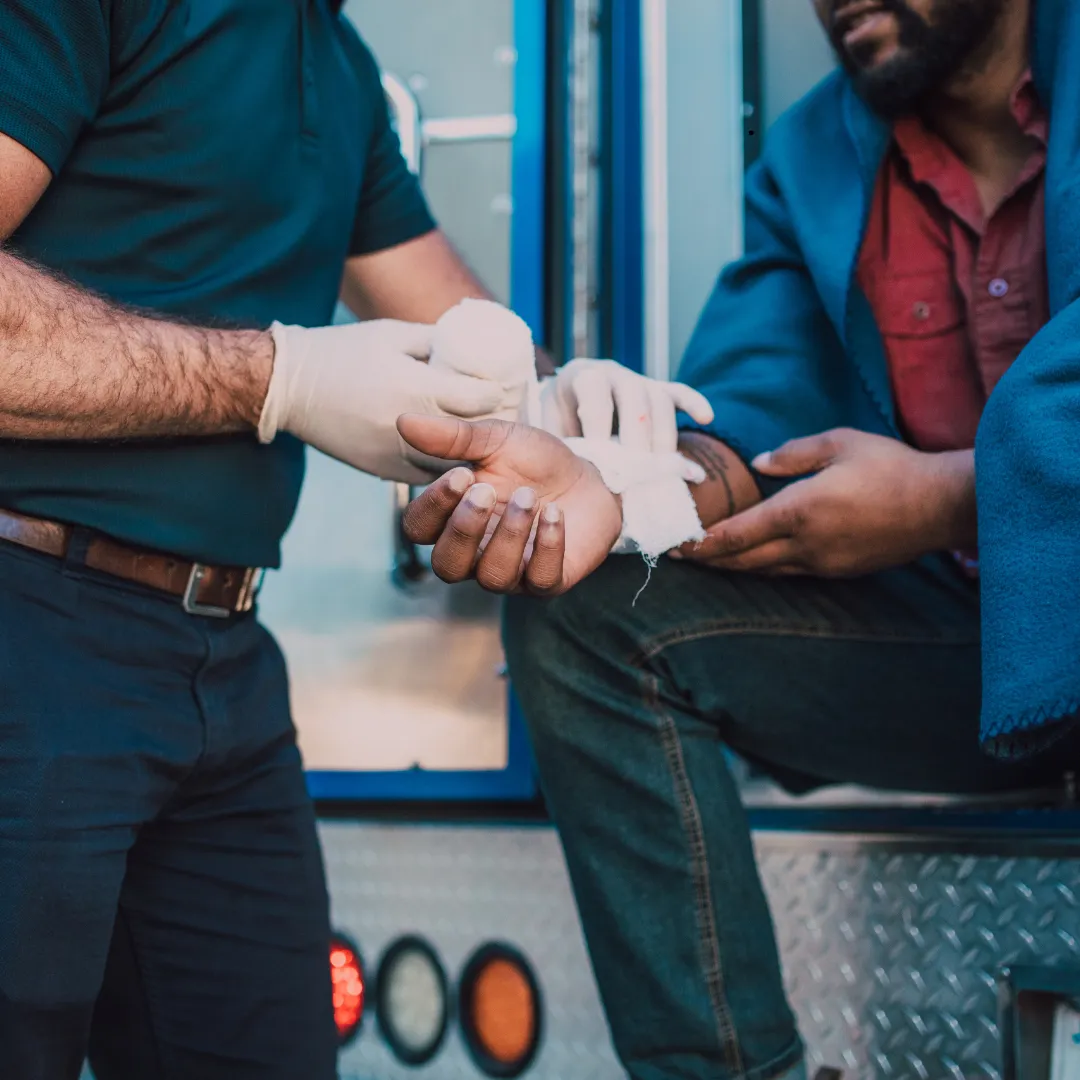
Course Overview
The OSHAA 30-Hours Professional Diploma in Combined Emergency Paediatric First Aid (EPFA) and Emergency First Aid at Work (EFAW) is a comprehensive professional qualification designed to develop essential emergency response knowledge for both child and adult first aid situations. This specialised programme combines emergency paediatric first aid principles with workplace first aid awareness, enabling learners to understand how to respond effectively to a wide range of medical emergencies.
The qualification is suitable for individuals working or aspiring to work in childcare, education, healthcare support, community services, and workplace environments where emergency preparedness is essential. Learners gain valuable knowledge of emergency procedures, casualty assessment, incident management, and the importance of providing immediate assistance until professional medical help arrives.
This internationally relevant diploma supports personal and professional development by enhancing first aid awareness, improving emergency response confidence, and promoting safer environments for children, colleagues, visitors, and members of the public. Whether supporting young children in educational settings or responding to emergencies in the workplace, learners will develop a strong understanding of best practices in emergency first aid and safety management.
The OSHAA 30-Hours Professional Diploma in Combined Emergency Paediatric First Aid (EPFA) and Emergency First Aid at Work (EFAW) is ideal for those seeking to strengthen their professional credentials while contributing to a culture of health, safety, and emergency preparedness in a variety of settings worldwide.
Course Structure
This qualification, the OSHAA 30-Hours Professional Diploma in Combined Emergency Paediatric First Aid (EPFA) and Emergency First Aid at Work (EFAW), consists of 9 units.
Study Units
Learning Outcomes
Here are the learning outcomes for each study unit:
Introduction to First Aid Principles and Legal Responsibilities (2 Hours)
- Understand the fundamental aims and objectives of first aid
- Recognise the legal and ethical responsibilities of a first aider
- Identify workplace and paediatric first aid regulations and compliance requirements
Incident Management and Casualty Assessment for Adults and Children (3 Hours)
- Apply safe and systematic approaches to managing first aid incidents
- Conduct initial casualty assessments to determine the severity of injuries or illnesses
- Prioritise actions based on the condition of the casualty and situation
Primary Survey and Recovery Position Techniques for All Age Groups (3 Hours)
- Perform an effective primary survey on adults, children, and infants
- Safely place a casualty into the recovery position to maintain airway patency
- Adapt recovery position techniques to different age groups and physical conditions
Cardiopulmonary Resuscitation (CPR) and AED Use for Adults, Children, and Infants (5 Hours)
- Perform CPR according to current international guidelines for different age groups
- Safely operate an Automated External Defibrillator (AED) in emergency situations
- Integrate CPR and AED use in a coordinated life-saving response
Management of Unconscious Casualties Across Different Age Groups (4 Hours)
- Identify causes and signs of unconsciousness in adults, children, and infants
- Apply appropriate management techniques to maintain breathing and circulation
- Monitor and provide ongoing care until professional help arrives
Control of Bleeding, Wound Care, and Shock Management (5 Hours)
- Apply various bleeding control techniques, including direct pressure and dressings
- Recognise and treat different types of wounds effectively
- Identify signs of shock and administer appropriate first aid interventions
First Aid for Burns, Scalds, and Thermal Injuries in Workplace and Paediatric Settings (3 Hours)
- Distinguish between different types and severities of burns
- Apply correct cooling and treatment techniques for burns and scalds
- Provide aftercare and monitor for potential complications
Managing Fractures, Sprains, and Soft Tissue Injuries in Adults and Children (3 Hours)
- Recognise the signs and symptoms of fractures, sprains, and strains
- Apply immobilisation techniques to prevent further injury
- Provide effective pain relief measures and comfort to the casualty
Response to Common Medical Emergencies: Asthma, Seizures, and Severe Allergic Reactions (2 Hours)
- Recognise the signs and symptoms of asthma attacks, seizures, and anaphylaxis
- Provide appropriate first aid interventions for each condition
- Support and monitor the casualty until professional medical help is available
Certification Benefits
Achieving the OSHAA 30-Hours Professional Diploma in Combined Emergency Paediatric First Aid (EPFA) and Emergency First Aid at Work (EFAW) offers a range of professional and personal benefits, including:
- Develops essential emergency first aid knowledge for both children and adults.
- Enhances confidence in responding to medical emergencies in childcare and workplace settings.
- Strengthens understanding of emergency procedures, casualty assessment, and incident response.
- Supports safer environments by promoting health, safety, and emergency preparedness.
- Improves professional credibility in childcare, education, healthcare support, and workplace safety roles.
- Demonstrates a commitment to safeguarding, duty of care, and responsible practice.
- Enhances employability across a wide range of sectors where first aid awareness is valued.
- Develops transferable emergency response skills that can be applied in everyday life.
- Increases awareness of how timely and effective action can contribute to better emergency outcomes.
- Supports career progression in roles involving childcare, supervision, health and safety, and community services.
- Offers an internationally relevant qualification that reflects recognised first aid and safety principles.
This diploma equips learners with the knowledge and confidence to contribute positively to emergency preparedness and safety within both professional and personal environments.
Course Eligibility
Learners should meet the following entry requirements:
Course Fee
140k PKR / 375GBP / 500 USD