
How to Become an Energy Manager: Complete Career Path for Beginners 2026
As organisations across the UK and around the world work towards Net Zero targets, energy efficiency improvements, and sustainability goals, the demand for skilled Energy Managers is growing rapidly. Rising energy costs, stricter environmental regulations, and increasing pressure to reduce carbon emissions have made energy management a strategic priority for businesses in every sector.
An Energy Manager plays a vital role in helping organisations reduce energy consumption, lower operational costs, improve sustainability performance, and meet environmental objectives. From manufacturing facilities and hospitals to universities, commercial buildings, and government organisations, Energy Managers are becoming essential members of modern business teams.
What Is an Energy Manager?
An Energy Manager is a professional responsible for monitoring, managing, and improving an organisation’s energy performance. Their primary goal is to reduce energy consumption, improve efficiency, lower costs, and minimise environmental impacts.
Energy Managers analyse how energy is used within an organisation and identify opportunities to reduce waste, improve efficiency, and support sustainability initiatives. They often work closely with senior management, engineers, sustainability teams, and operational departments to implement energy-saving measures and environmental improvement projects.
In today’s business environment, Energy Managers are also heavily involved in carbon reduction programmes, ESG reporting, renewable energy projects, and Net Zero strategies.
Why Energy Managers Are in High Demand
The demand for Energy Managers continues to increase due to several global and national trends.
Rising Energy Costs
Organisations are seeking ways to reduce operational expenses and improve energy efficiency.
Net Zero Commitments
Governments and businesses are setting ambitious carbon reduction targets that require expert energy management.
Environmental Regulations
Stricter regulations are encouraging organisations to improve environmental performance and energy efficiency.
ESG Reporting Requirements
Investors and stakeholders increasingly expect businesses to demonstrate environmental responsibility and sustainability performance.
Sustainability Initiatives
Many organisations now consider energy management a key component of their sustainability strategy.
Roles and Responsibilities of an Energy Manager
Energy Managers play a crucial role in helping organisations reduce energy consumption, improve operational efficiency, lower costs, and achieve sustainability goals. Their responsibilities extend beyond monitoring utility bills and often involve developing long-term energy strategies that support environmental and business objectives.
Depending on the industry and organisation, an Energy Manager may be responsible for the following activities:
Monitoring and Analysing Energy Usage
One of the primary responsibilities of an Energy Manager is to track and analyse energy consumption across buildings, facilities, and operations. By reviewing energy data, they can identify trends, detect inefficiencies, and uncover opportunities for cost savings.
Conducting Energy Audits
Energy Managers regularly carry out energy audits to assess how energy is being used within an organisation. These audits help identify wasteful practices, inefficient equipment, and areas where energy performance can be improved.
Developing Energy Management Strategies
An Energy Manager creates and implements energy management plans that align with organisational goals. These strategies often focus on reducing energy consumption, lowering carbon emissions, and improving overall sustainability performance.
Identifying Energy-Saving Opportunities
A key part of the role involves finding practical ways to reduce energy usage and operating costs. This may include recommending:
- Energy-efficient lighting systems
- Smart building technologies
- Renewable energy solutions
- Equipment upgrades
- Improved operational procedures
Managing Energy Efficiency Projects
Energy Managers oversee projects designed to improve energy performance. They may coordinate with engineers, contractors, suppliers, and facility managers to ensure projects are completed successfully and deliver measurable energy savings.
Supporting Carbon Reduction and Net Zero Goals
Many organisations have committed to reducing their carbon footprint and achieving Net Zero emissions. Energy Managers play a significant role in developing and implementing carbon reduction initiatives that support these environmental commitments.
Ensuring Compliance with Environmental Regulations
Energy Managers help organisations comply with energy and environmental legislation, industry standards, and sustainability requirements. This includes monitoring regulatory changes and ensuring that operations remain compliant.
Preparing Reports and Presenting Data
Senior management often relies on Energy Managers to provide detailed reports on energy performance, cost savings, carbon emissions, and sustainability progress. Clear reporting helps organisations make informed decisions and track environmental objectives.
Managing Energy Budgets
Energy Managers are frequently responsible for monitoring utility costs, forecasting energy expenditures, and identifying opportunities to reduce energy-related expenses without affecting operational performance.
Supporting ESG and Sustainability Initiatives
As Environmental, Social, and Governance (ESG) reporting becomes increasingly important, Energy Managers are often involved in collecting environmental data, supporting sustainability programmes, and contributing to organisational ESG objectives.
Training and Raising Awareness
Energy efficiency is most effective when employees understand its importance. Energy Managers often organise awareness campaigns, training sessions, and engagement programmes to encourage energy-conscious behaviour throughout the organisation.
Key Responsibilities at a Glance
| Responsibility | Purpose |
|---|---|
| Energy Monitoring | Track and analyse energy consumption |
| Energy Audits | Identify inefficiencies and savings opportunities |
| Strategy Development | Create energy management plans |
| Project Management | Implement energy-saving initiatives |
| Carbon Reduction | Support Net Zero and sustainability goals |
| Compliance Management | Meet environmental regulations |
| Reporting and Analysis | Provide performance insights |
| Budget Management | Control energy-related costs |
| ESG Support | Contribute to sustainability reporting |
| Staff Engagement | Promote energy-efficient practices |
Skills Required to Become an Energy Manager
Successful Energy Managers combine technical expertise with business and leadership skills.
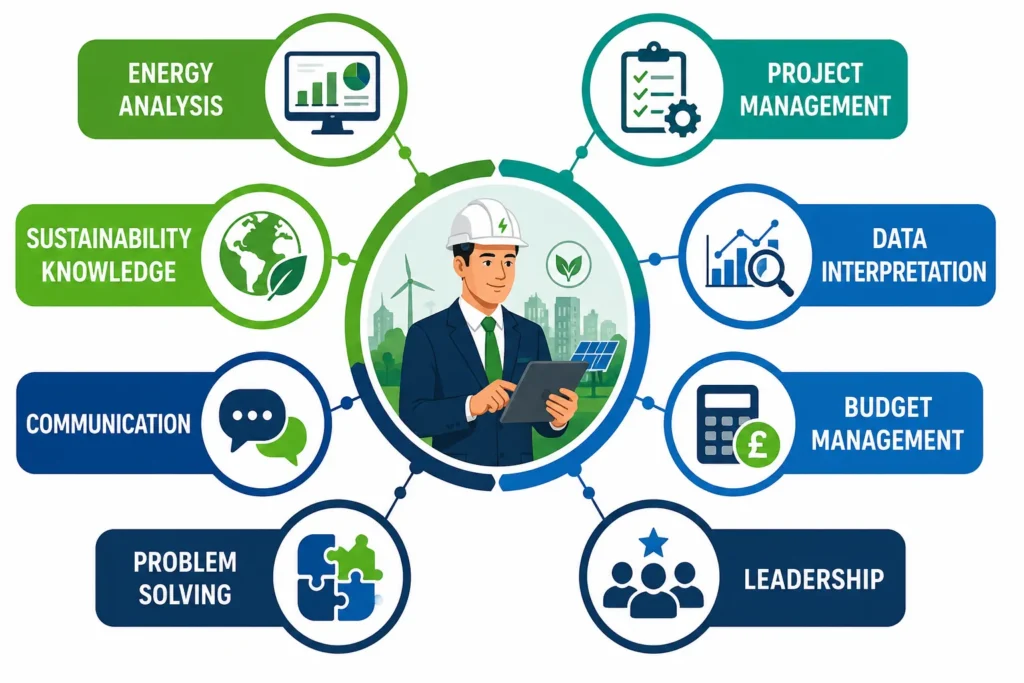
Technical Skills
- Energy auditing
- Utility data analysis
- Building energy management
- Carbon footprint assessment
- Renewable energy technologies
- Energy efficiency technologies
- Environmental compliance
Business Skills
- Project management
- Budget management
- Strategic planning
- Risk management
- Cost-benefit analysis
Soft Skills
- Communication
- Leadership
- Problem-solving
- Stakeholder engagement
- Negotiation
- Presentation skills
How to Become an Energy Manager Step-by-Step Guide
Step 1: Gain Relevant Education
Many Energy Managers begin their careers with qualifications in:
- Environmental Management
- Sustainability
- Energy Management
- Engineering
- Facilities Management
- Environmental Science
While a university degree can be helpful, professional qualifications are increasingly valued by employers.
Step 2: Develop Industry Knowledge
Understanding energy systems, sustainability principles, environmental regulations, and carbon management is essential.
Areas to focus on include:
- Energy efficiency
- Renewable energy
- Carbon reduction
- Environmental legislation
- ESG frameworks
- Sustainability reporting
Step 3: Gain Practical Experience
Many professionals begin in roles such as:
- Energy Analyst
- Environmental Officer
- Sustainability Coordinator
- Facilities Management Assistant
- Compliance Officer
These positions provide valuable experience in energy monitoring and environmental performance management.
Step 4: Obtain Professional Qualifications
Recognised qualifications can significantly improve career prospects and demonstrate expertise to employers.
Step 5: Progress into Energy Management Roles
As your experience and qualifications grow, you can move into dedicated energy management positions and eventually senior sustainability leadership roles.
Industries That Hire Energy Managers
Energy Managers are needed across a wide range of sectors.
| Industry | Demand Level |
|---|---|
| Manufacturing | High |
| Construction | High |
| Healthcare | High |
| Education | High |
| Government | High |
| Real Estate | High |
| Renewable Energy | Very High |
| Data Centres | Very High |
| Transport & Logistics | High |
| Commercial Property | High |
Energy Manager Career Progression Roadmap
A career in energy management offers excellent progression opportunities.
Graduate / Trainee
↓
Energy Analyst
↓
Energy Officer
↓
Energy Manager
↓
Senior Energy Manager
↓
Head of Energy & Sustainability
↓
Director of Sustainability
Energy Manager Salary by Country in 2026
One of the biggest advantages of pursuing a career in energy management is the strong earning potential and growing global demand for skilled professionals. As organisations invest heavily in sustainability, energy efficiency, ESG reporting, renewable energy, and Net Zero strategies, Energy Managers are becoming increasingly valuable across multiple industries.
Salaries vary depending on factors such as experience, qualifications, industry sector, location, and the size of the organisation. Professionals working in renewable energy, oil and gas, infrastructure, manufacturing, and sustainability consulting often earn some of the highest salaries in the field.
Average Energy Manager Salaries Around the World
| Country | Average Annual Salary | Typical Salary Range |
|---|---|---|
| United States | $110,420 | $70,000 – $148,800 |
| United Kingdom | £35,000 – £52,000 | £28,000 – £95,000+ |
| UAE & Saudi Arabia | $80,000 – $150,000+ | Varies by sector and package |
| Pakistan | Rs. 3,238,973 | Rs. 2,320,000 – Rs. 3,690,000+ |
A Day in the Life of an Energy Manager
A typical day may include:
- Reviewing energy consumption reports
- Conducting site inspections
- Meeting with contractors and suppliers
- Identifying energy-saving opportunities
- Monitoring sustainability targets
- Preparing reports for management
- Supporting ESG and carbon reduction initiatives
- Managing energy efficiency projects
No two days are exactly the same, making it an engaging and dynamic career.
Future of Energy Management Careers
The future of energy management is extremely promising.
Net Zero Targets
Organisations need specialists to help achieve carbon reduction commitments.
Renewable Energy Growth
Investment in solar, wind, and other renewable technologies continues to increase.
ESG Reporting
Businesses require professionals who understand environmental performance and sustainability reporting.
Smart Technologies
AI, IoT, and advanced energy monitoring systems are transforming energy management practices.
Sustainability Leadership
Energy Managers are increasingly progressing into senior ESG and sustainability leadership roles.
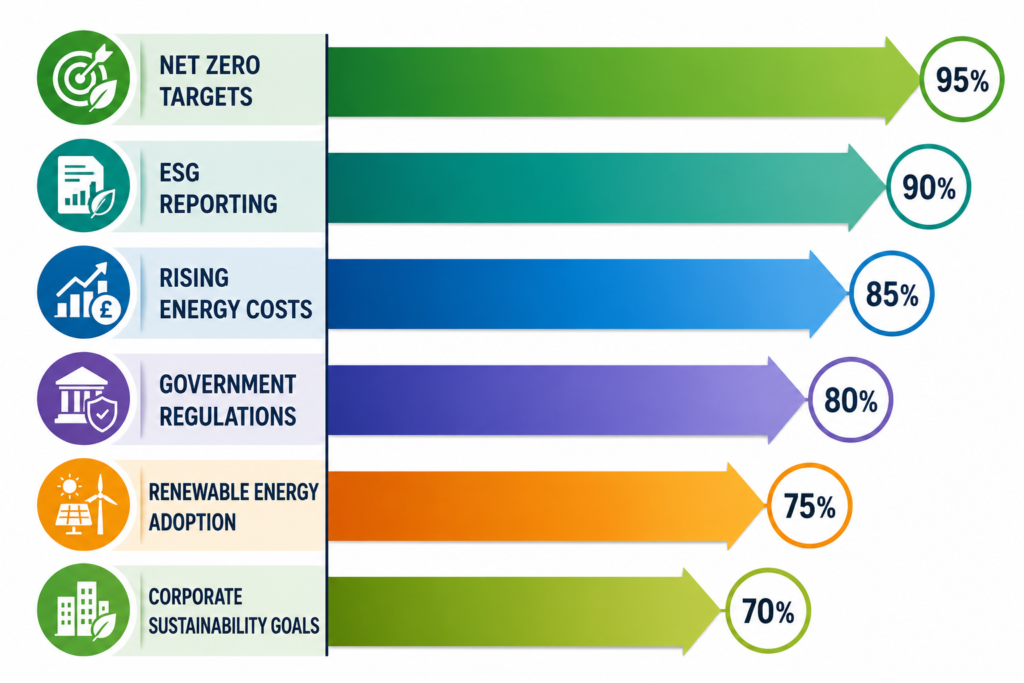
As businesses continue to prioritise environmental responsibility, Energy Managers will remain among the most sought-after sustainability professionals.
Conclusion
Energy management has become a critical function for organisations seeking to reduce costs, improve efficiency, achieve sustainability goals, and meet environmental obligations. As demand for energy-efficient operations and Net Zero strategies continues to grow, skilled Energy Managers are increasingly valued across multiple industries.
By developing relevant skills, gaining practical experience, and obtaining recognised qualifications such as the ProQual Level 6 Diploma in Environmental and Sustainability Management, ProQual Level 7 Diploma in Environmental Management, OTHM Level 7 Diploma in Environmental Management and Sustainability, or knowledge of ISO 14001:2015 Environmental Management Systems, aspiring professionals can build a successful and rewarding career in this rapidly expanding field.
Energy Management is one of many rewarding career paths within the growing environmental and sustainability sector. Professionals interested in sustainability leadership, environmental compliance, ESG reporting, renewable energy, and Net Zero initiatives can explore a wide range of opportunities across different industries.
To discover additional career options, salary insights, qualification pathways, and future job trends, read our comprehensive guide on Top Careers in Environmental Management and Sustainability, which explores some of the most in-demand environmental careers in the UK and internationally.